England's Amputee Football Team Could Miss the World Cup Due to a Lack of Funding

Updated: Jul 26
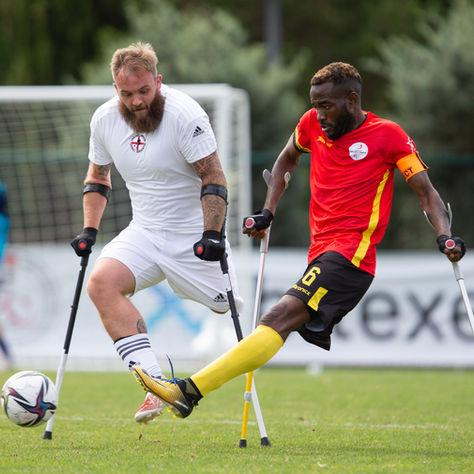
Despite earning their place at the Amputee Football World Cup in Mexico, England's men's amputee football team could miss the tournament for one simple reason…
They can't afford to go.
The squad is trying to raise around £50,000 to cover the cost of competing. While the Football Association funds several England para-football teams, amputee football is currently not included within its funded programme.
For many people, representing your country at a World Cup should be the reward for years of dedication—not another financial hurdle to overcome.
What's happened?

England's amputee football team has already proved it belongs on the international stage.
The team won the inaugural Amputee Nations League in 2023 and continues to rank among the world's strongest sides. Alongside the senior men's team, there is also a women's programme and a growing junior pathway helping introduce more young people to the sport.
Despite these achievements, the organisation relies heavily on fundraising, volunteers and donations simply to keep the programme running.
The current World Cup campaign has highlighted just how difficult it can be for disability sport to secure long-term financial support.
Why does this matter?

For most elite athletes, qualifying for a World Cup means focusing on training, tactics and preparing to perform at the highest level.
For England's amputee footballers, it also means wondering whether enough money can be raised to get there.
Many players balance full-time jobs, family commitments and training while using annual leave and contributing towards the costs of representing their country.
This isn't simply a football story.
It's a story about recognition.
It raises an important question about whether disability sport receives the same level of support, visibility and investment as other national teams.
How does this affect our community?

At WE ARE LIMbITLESS, we believe this story goes far beyond football.
It represents what many people with limb loss and limb difference experience throughout life—having the ability, determination and ambition, yet still facing barriers that others never have to think about.
Young people growing up with limb loss need visible role models.
They need to see athletes representing England, competing internationally and showing what is possible.
Sport can build confidence, friendships, independence and purpose. But when successful teams struggle just to reach major competitions, opportunities for future generations can also be affected.
Stories like this remind us why representation matters.
The WE ARE LIMbITLESS View
At WE ARE LIMbITLESS, we believe people with limb loss deserve more than admiration for overcoming barriers.
They deserve opportunities without unnecessary barriers in the first place.
England's amputee footballers have already earned the right to compete on the world stage.
Now they simply need the support to get there.
Join the Conversation
What do you think?
Should England's amputee football team receive permanent funding from the FA?
Have you experienced similar challenges where opportunity existed, but funding or support held people back?
We'd love to hear your thoughts.

Comments